Chess. To some people, it is boring. To some, it is hard.
For me, it is exciting.
It is more fun when the other player is good.
I smile when I get challenged.
This has been my favorite game since I was a kid.
I was in Grade 4 when my dad first taught it to me.
I played. I won. I lost.
I also made friends because of it.
Even when I grew older, I still kept playing.
Then I noticed something.
Chess was not just a game.
It was teaching me lessons I could use in real life.
I became more careful.
I started to think more before I move.
And that was only the beginning.
That is where the real lessons start.
That is when I started to notice something deeper.
Chess was teaching me more than how to win a game.
It was teaching me how to think, how to choose, and how to live.
Some lessons were simple.
Some were painful.
Some were hard to forget.
But all of them stayed with me.
Here are the 17 lessons I learned from chess.
1. Think before you move
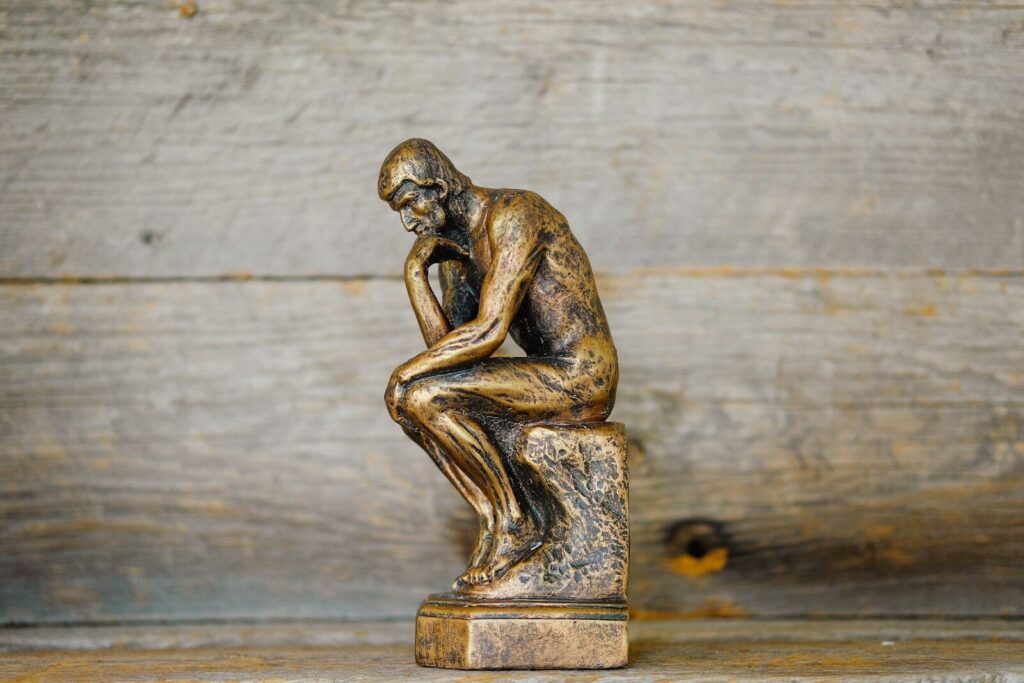
A fast move can look smart at first.
But one fast move can break your whole plan.
Many chess players say this is true in life too.
Before you speak, buy, quit, or say yes, stop and think.
A short pause can save you from a long regret.
This is also true in Christian life.
Words matter.
How I speak can help or hurt other people.
That is why I need to think first before I say anything.
This is very important when I talk to sensitive people.
I do not want to hurt them with quick words.
So I try to reword my thoughts before I speak.
I want my words to be kind, calm, and wise.
2. One bad choice can hurt many good ones
In chess, you can play well for many moves.
Then one blunder can change everything.
People I met said life can feel the same way.
This does not mean you should live in fear.
It means wisdom matters.
Small carelessness can cost a lot.
I know this in my own life.
I have a habit of saving money.
I saved a lot over time.
I worked hard for it.
I was careful with it.
But then I made one financial decision.
And because of that, a lot of my savings were gone.
What I worked for felt wasted.
It hurt a lot.
I felt so much regret.
I felt the pain of losing something I spent so long to build.
That is why this lesson is real for me.
One bad choice can hurt many good ones.
So I need to be more careful now.
I need to think better before I decide.
3. Do not chase the perfect move
Some players said a big lesson from chess is this: do not always hunt for the best move.
First, avoid the bad one.
Life works like that too.
You do not need a perfect plan every day.
You just need fewer foolish choices.
It also helps to assess your situation before you move.
Think about what is happening around you.
If you can think for a few seconds, that is better.
If you can think for a few minutes, that is even better.
You may not know the perfect move if you do not act at all.
Sometimes you only learn by trying.
But do not wait too long.
While you are waiting for the perfect move, the other side may already be preparing to stop you.
So make a wise move.
Do not freeze.
Do not rush.
Think well, then move.
4. Small gains can become big wins
Not every game is won by one brilliant move.
Many games are won by small, good moves over time.
Life is often like that.
Save a little.
Learn a little.
Pray a little.
Grow a little.
Then one day, you see how far you have come.
Sometimes, taking one pawn at a time is okay too.
Small gains may look simple.
But they still matter.
In the end, those small wins can help you win the whole game.
5. Stay calm when pressure comes
Chess can put a person under stress.
The clock is moving.
The board is hard.
The fear is real.
But panic makes bad moves.
A calm mind helps you see clearly.
That is true in games and in life.
The Bible says, “Who of you by worrying can add a single hour to your life?”
This is from Matthew 6:27.
That verse reminds me not to live in worry.
So I learned not to react too fast.
I try to calm down first.
Then I assess the situation.
This is very true when I cannot control what is happening.
In those times, I just give it to God.
Then I pray.
6. Be patient

Some wins take time.
Some good plans need many moves.
Life also has slow seasons.
You may not see progress today.
But that does not mean nothing good is happening.
Patience keeps you steady.
If you are already 25 or older, you may know this well.
Not everything can be rushed.
Some things need time to grow.
That is why people say, “Patience is a virtue.”
Sometimes, it is better to wait for the right timing.
Good things often come at the right time.
7. Learn from your losses
Many people said chess teaches more in losing than in winning.
A loss can show your weak spots.
A loss can make you wiser.
The same is true in life.
Failure is painful.
But if you learn from it, it is not empty pain.
“Learn from your mistakes” is something you have heard many times.
Still, it is true.
Do not just feel bad about what happened.
Challenge yourself to learn something from it.
Then use that lesson next time.
That way, your mistake does not stay as pain only.
It becomes a lesson you can carry forward.
8. Adjust when things change
A plan can be good at the start.
Then the board changes.
Now you must adapt.
Life changes too.
People change.
Needs change.
Open eyes and a humble heart help you move well in new times.
If Plan A does not work, move to Plan B.
Do not get stuck too long.
Sometimes the first plan fails.
That is normal.
What matters is that you adjust and keep going.
9. Pride and overconfidence can make you blind
Some comments touched on ego, pride, and how hard it is to accept mistakes.
Pride says, “I am fine.”
Wisdom says, “I need to learn.”
A proud player keeps making the same error.
A humble player grows.
That is true far beyond chess.
In chess, people say the hardest games to win are the winning games.
That means even when you are ahead, you still need to be careful.
Do not think you are already better than everyone else.
That kind of thinking can become a trap.
The same is true in life.
When you feel too confident, be careful.
Pray to God when you feel that way.
Ask Him to keep your heart humble.
Pride is one of life’s traps.
10. Take care of your mind and body
One strong point from the thread was that rest, focus, and self-care affect how well you play.
A tired person often thinks poorly.
A drained person often acts badly.
So this lesson matters.
Sleep well.
Rest well.
Take care of your body.
A healthy mind can make wiser moves.
We need both of them.
If the mind and body are cared for, thinking and action become better.
11. Protect what matters
In chess, you protect your king.
In life, protect your peace.
Not everything deserves your energy.
Take time to check what matters most in your life.
For me, mental health, physical health, heart, and motives are important.
Chess teaches me to protect the things that matter most.
It also teaches me to prioritize them in my choices and actions.
Not every battle is worth my full energy.
I need to guard what is truly valuable.
12. Every move has a cost
Nothing is free on the board.
Every choice has a result.
Life works the same way.
One piece you move can create a weakness on your side.
That is why it is good to know your “king.”
You need to know what protects you and what can leave you open.
If you are not careful, you may not notice the weakness your move has made.
So every move should be thought through well.
13. Keep going after a setback
One bad move is not the end.
You can still fight.
You can still recover.
In chess, one mistake can feel very heavy.
You may lose a piece.
You may lose an advantage.
You may even feel like the game is slipping away.
But the game is not over yet.
There is still time to think.
There is still time to play well.
There is still time to find another way.
Life is the same.
A setback can hurt.
A bad decision can leave damage.
A failure can make you feel weak.
But a setback does not mean your story is finished.
It only means you need to stand again.
You may need to slow down.
You may need to rethink your next step.
You may need to recover before moving forward.
Still, you can go on.
You can keep fighting.
You can keep building.
You can still win in the long run.
14. Learn to stay focused

Distraction makes weak moves.
Focus helps you see clearly.
Attention is a strength.
There are many distractions in life today.
Social media.
News.
Internet.
Notifications.
All of these can pull your mind away from what matters.
So I need to stay focused on my goal.
I need to keep my eyes on what I want to finish.
In chess, that helps me checkmate the enemy.
In life, that helps me become successful.
It also helps me reach my personal goals one by one.
15. Growth is still possible
My past does not have to win.
I can still change.
I can still become better.
Even if I made many mistakes before, that does not mean I am stuck forever.
People can grow.
Hearts can change.
Habits can improve.
A better future can still happen, one step at a time.
Chess reminds me that one game does not define everything.
A bad start does not always mean a bad end.
The same is true in life.
I may have failed before, but I can still choose better now.
I can still learn.
I can still pray.
I can still move forward.
16. You also need sacrifice
Chess teaches that you cannot keep everything.
Sometimes you must give up one thing to gain something better.
That is called sacrifice.
In life, this is true too.
You may need to give up comfort for growth.
You may need to give up wasteful habits for a better future.
You may need to give up some wants so you can protect what matters most.
Sacrifice is not always easy.
It can feel painful at first.
But sometimes it is the price of winning.
Sometimes you lose a small thing now so you can gain a bigger thing later.
17. Chess is better with coffee
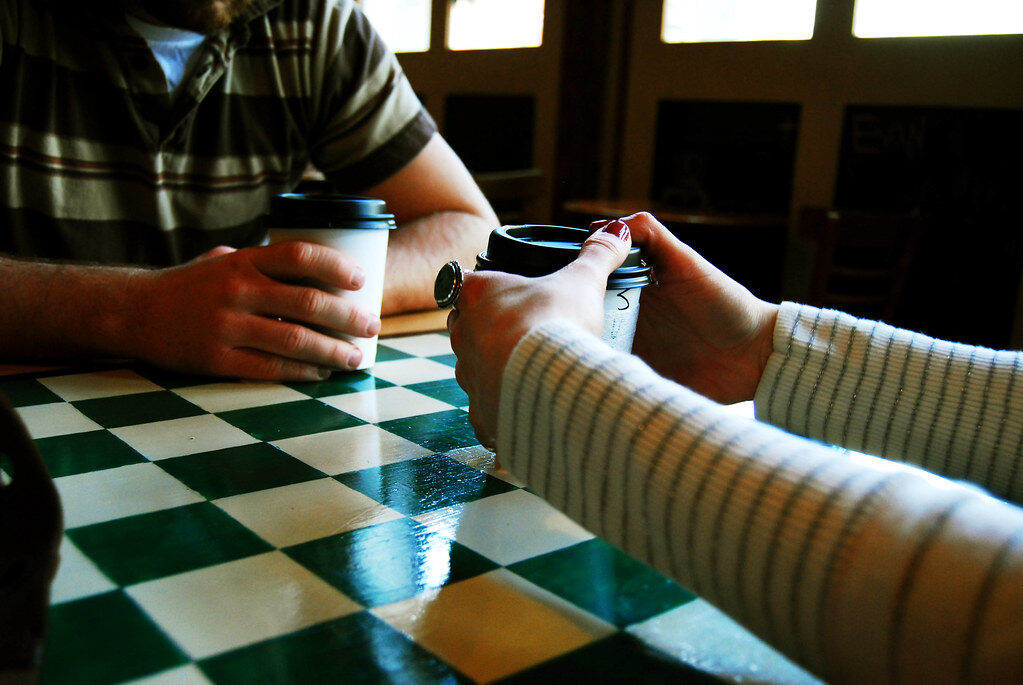
Chess feels even better with coffee.
A warm cup can help me stay awake and focused.
It can make long games feel lighter.
It can also make thinking feel smoother.
Coffee is not magic.
But it can give a small boost when I need one.
It helps me stay alert and ready to choose well.
For me, chess and coffee are a good pair.
The game becomes more enjoyable.
The mind feels more ready.
And the next move feels a little easier to see.
In life, I also need to slow down sometimes.
I need to relax.
I need to take a cup of coffee and think quietly.
A calm moment can help me rest my mind.
It can help me reflect.
It can help me see things more clearly before I move again.
Chess feels a lot like life.
It teaches me that mistakes are real.
It teaches me that consequences are real too.
But it also teaches me that growth is still possible.
Even if my past affects my present, I do not have to stay there.
I can learn.
I can adjust.
I can move forward one wise step at a time.
Chess is not just a game.
It can train the heart and mind.
It can teach care, patience, calm, and courage.
And maybe that is why a small board can teach such big lessons.