Many people work hard. But they still feel stuck.
They do the job, yet they are not happy.
They feel tired, confused, or out of place.
That pain is real.
Some people keep asking, “Why is this so hard for me?”
The answer may be simple.
The job may not match how they naturally work.
This is where the DISC test can help.
The same 10-minute test that help me see my strengths.
Now I work better and happier.
It shows your work style.
It can help you understand your strengths, your weak spots, and the kind of work that fits you best.
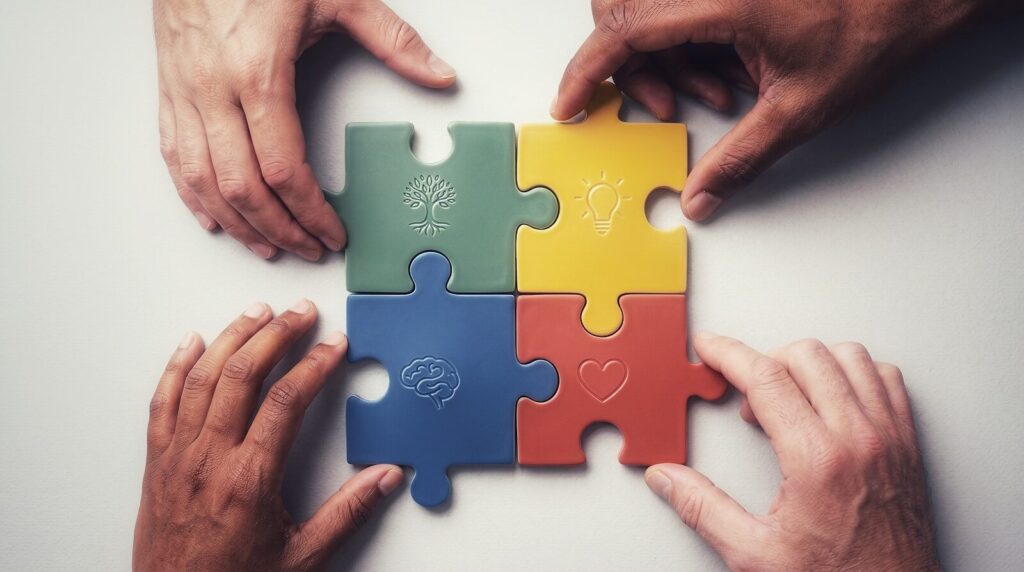
A DISC test is not magic.
It does not decide your whole future.
But it can give a helpful picture of your behavior style at work.
Many companies, coaches, and teams use it because it is simple, practical, and easy to apply in hiring, communication, leadership, and team building.
This article explains what DISC is, where it came from, why many people use it, the pros and cons of each DISC area, and the kinds of office jobs, business roles, and online jobs that may fit each style.
It also gives a simple way to connect the ideas to a real DISC result so readers can better understand their own profile and use it in real life.
A simple story about work
A worker can be very smart and still struggle in the wrong role.
A quiet, careful person may suffer in a loud sales floor.
A fast, bold person may feel trapped in a slow job with too many rules.
A friendly, people-loving worker may feel empty in a job with no human contact.
DISC helps explain why this happens.
This is why many people look for tools that help them choose better.
Some want to know what kind of work fits them.
Some want to lead teams better.
Some want to understand why one role feels easy while another feels heavy.
DISC gives simple words for these patterns: D, I, S, and C.
What DISC means
DISC is a behavior model built around four main styles:
Dominance, Influence, Steadiness, and Conscientiousness or Compliance, depending on the version used.
D means how a person handles problems, pressure, and fast decisions.
I means how a person talks, connects, persuades, and shares feelings with others.
S means how a person handles pace, stability, patience, and steady work.
C means how a person handles rules, details, standards, logic, and accuracy.
Most people are not only one letter.
They are a mix.
The test simply shows which traits are stronger and which are lower, so a person can better understand how they work best and where friction may happen.
Where DISC came from
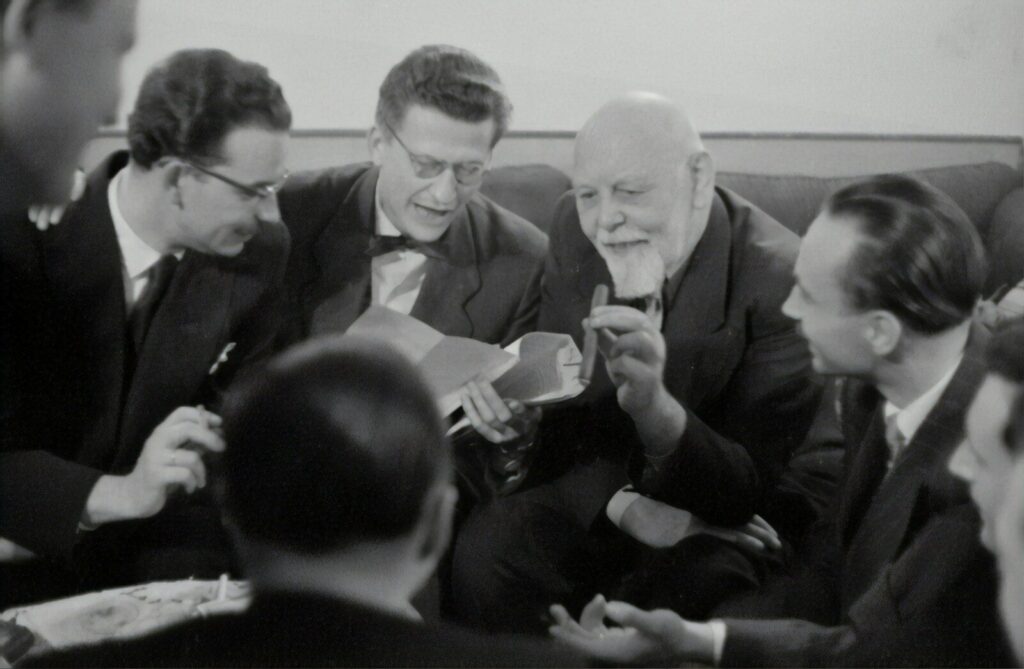
DISC began in 1928. William Moulton Marston wrote a book called Emotions of Normal People. He found four ways people act.
In the 1950s, experts made it a work test. Walter V. Clarke helped bring it to offices.
Today, companies use DISC for teams and hiring.
It is simple and helpful. But some say it is not perfect science. Use it as a guide, not the final word.
Why companies use DISC
Many companies use DISC because they want to reduce confusion at work.
They want better communication, better team fit, better leadership, and fewer hiring mistakes.
DISC gives a simple way to talk about work behavior without using hard psychology words.
Common reasons companies use DISC include:
Hiring support, to see if a person’s work style may fit a role.
Team building, to understand how different people work together.
Leadership training, to help managers adjust how they lead and communicate.
Conflict reduction, by helping people understand why others act differently under pressure.
Role design, by matching natural strengths with tasks that fit better.
DISC should not be the only tool in hiring.
It works best when paired with interviews, skills checks, and clear role needs.
Used this way, it can be practical and helpful.
Advantages of taking a DISC test
A DISC test can help people name strengths they already have but never explained well before.
It can also show why some work feels natural and some work feels draining.
Main advantages include:
Better self-awareness, because the test gives language for how a person works and communicates.
Better job fit, because the results can point to roles that match natural behavior patterns.
Better communication, because people learn how others like to receive information.
Better teamwork, because teams can respect different work styles instead of fighting them.
Better leadership, because leaders can learn when to be direct, warm, steady, or detailed.
Better career decisions, especially for people changing jobs, building a business, or looking for online work.
Limits to remember
DISC is useful, but it has limits.
It does not measure skill, values, intelligence, character, or full personality.
It mainly gives a simple view of work behavior and communication style.
Also, people can adapt.
A person may act one way at home and another way at work.
This is why many DISC tools show both a natural style and an adapted style.
The DISC spectrum explained

DISC is a spectrum, not a box.
A high score does not mean “better.”
A low score does not mean “bad.”
Each side has strengths and risks.
The goal is not to become all four.
The goal is to know your pattern and use it well.
D: Dominance
People with stronger D traits are direct, bold, fast, and results-focused.
They like challenge, action, and control.
They often enjoy solving hard problems and moving things forward fast.
Pros of high D
Fast decisions.
Strong drive for results.
Comfort with pressure and competition.
Natural leadership energy.
Cons of high D
Can seem too blunt or impatient.
May move too fast and miss details.
May take over instead of listening well.
May create tension in teams that need patience.
Good jobs for D
| Area | Jobs that may fit high D |
|---|---|
| Office jobs | Operations manager, sales manager, executive, project lead |
| Business roles | Founder, business owner, consultant, strategist |
| Online jobs | Closer, growth strategist, launch manager, media buyer, online coach |
I: Influence
People with stronger I traits are social, expressive, upbeat, and persuasive.
They enjoy people, ideas, and connection.
They often bring energy to teams and can make others feel excited and included.
Pros of high I
Good at connecting with people.
Strong persuasion and communication energy.
Can inspire teams and clients.
Often great in visible roles.
Cons of high I
Can talk too much and miss details.
May avoid routine or structure.
May struggle with follow-through if systems are weak.
Can act from emotion instead of data.
Good jobs for I
| Area | Jobs that may fit high I |
|---|---|
| Office jobs | Sales, account management, HR, PR, training |
| Business roles | Brand builder, networker, speaker, community leader |
| Online jobs | Social media manager, webinar host, content creator, affiliate marketer, closer |
S: Steadiness
People with stronger S traits are calm, patient, loyal, and dependable.
They like stable systems, supportive teams, and a steady pace.
They often do well in roles that need care, consistency, and trust.
Pros of high S
Patient and reliable.
Good listener and team helper.
Brings calm during stress.
Good at consistent work over time.
Cons of high S
May resist fast change.
May avoid conflict too long.
May move slower when urgent action is needed.
May stay in the wrong role because they want peace.
Good jobs for S
| Area | Jobs that may fit high S |
|---|---|
| Office jobs | HR support, admin support, customer success, operations support |
| Business roles | Client service, team support, fulfillment manager, service-based business owner |
| Online jobs | Virtual assistant, customer support, email support, community support, project coordinator |
C: Conscientiousness
People with stronger C traits are careful, logical, detailed, and quality-focused.
They like clear standards, accurate work, and strong systems.
They usually prefer facts over hype and think before they act.
Pros of high C
Strong attention to detail.
High quality standards.
Good with data, systems, and accuracy.
Strong planning and analysis ability.
Cons of high C
Can overthink and delay action.
Can become too perfectionist.
May dislike messy or fast-changing situations.
Can seem cold or too critical if not careful.
Good jobs for C
| Area | Jobs that may fit high C |
|---|---|
| Office jobs | Analyst, accountant, QA, researcher, engineer |
| Business roles | Systems builder, strategist, operations designer, finance lead |
| Online jobs | Funnel strategist, email marketer, copywriter, SEO researcher, data analyst |
The traits behind each style
DISC letters are not just labels.
They show daily work habits.
These habits affect how a person writes emails, joins meetings, solves client problems, follows systems, leads a team, or handles stress.
Common D traits
Direct. Competitive. Brave. Fast. Decisive. Strong-willed. Focused on winning and results.
Common I traits
Friendly. Talkative. Persuasive. Expressive. Hopeful. Warm. Good at building relationships.
Common S traits
Patient. Loyal. Supportive. Consistent. Calm. Stable. Caring. Good with routine and trust.
Common C traits
Analytical. Careful. Precise. Organized. Logical. Private. Quality-focused. Strong with details.
There is no perfect DISC type
Every type has value.
Teams often work best when they have a mix.
D brings speed.
I brings energy.
S brings peace.
C brings quality.
Problems often happen not because one type is bad, but because people do not understand each other.
A balanced team can be very strong.
The fast person pushes action.
The people person builds trust.
The steady person keeps the team stable.
The careful person protects quality and accuracy.
What this means for jobs and career choices
A DISC test can help a person ask better questions before choosing work.
Does this role need speed or patience.
Does it need people energy or quiet focus.
Does it need risk-taking or deep accuracy.
The closer the fit, the easier it is to do good work over time.
This does not mean a low-I person cannot do marketing or a high-D person cannot do detail work.
People can grow, learn, and adapt.
DISC simply shows what may feel more natural and what may need more effort.
A natural segue to a real DISC result
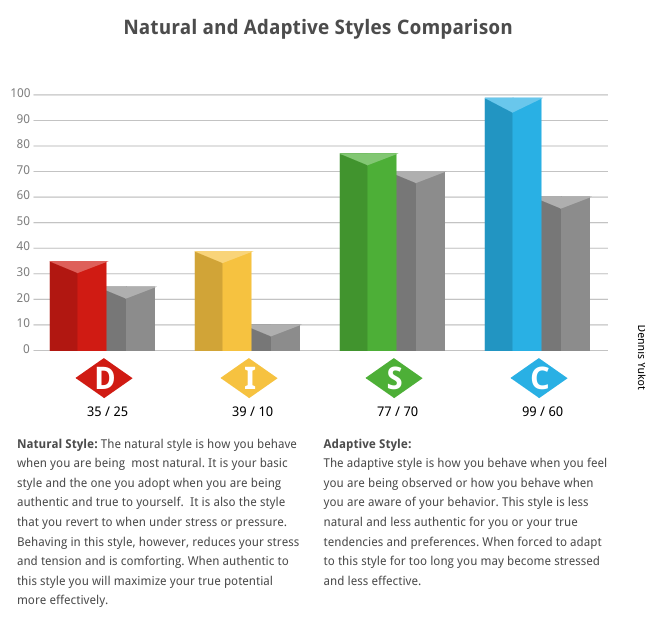
Real results make DISC clear. Take me. I have high S and high C. I am calm. I am loyal. I love details and systems.
This fits research, strategy, writing, and planning. I am slow on fast choices. But I plan well and finish strong.
Perfect for office support, online copywriting, funnels, or data work. I like facts over hype.
Want to see mine? [Link: My DISC Story].
Check your fit too.
Why this matters for office jobs, business, and online work
The world of work is now wide.
Some people want office jobs.
Some want freelancing.
Some want online work from home.
Some want to build a business.
DISC can help in all these paths because each path still needs clear behavior patterns, communication, and role fit.
For office jobs, DISC can help with team fit and manager fit.
For business, it can help founders know what kind of role they should own and what role they should delegate.
For online work, it can help people choose work that fits their natural energy, such as sales, support, systems, research, content, or strategy.
A simple call to action
A DISC test will not solve every career problem.
But it can give a strong starting point.
It can help a person understand why they feel strong in some roles and weak in others.
It can also help them stop copying careers that do not match how they naturally work.
If work feels confusing, this is a good place to begin.
Take a DISC test.
It’s only a 10-minute test.
Read the result slowly.
Mark the parts that feel true.
Notice the jobs, tasks, and work environments that match your pattern.
Then use that insight to choose better work, build a better team, or grow in a role that already fits who you are.